
Puppy Foundations: Socialization
Building Confidence During the Critical Period
Socialization is an important part of raising your puppy. I begin it at my home at 3 weeks, but you must continue it. Learn more about our early development methods in Puppy Culture & Avidog . A puppy's key socialization period lasts from 3 weeks until 14 weeks, but socialization must continue even after that.
When your puppy goes home, they are still young and impressionable, willing to accept the world as you present it to them. This will change during adolescence; your puppy will become suspicious and wary of new things. You need to make the most of the limited time you have while they're young. Socialization is a big responsibility!
Balanced Socialization: Quality Over Quantity
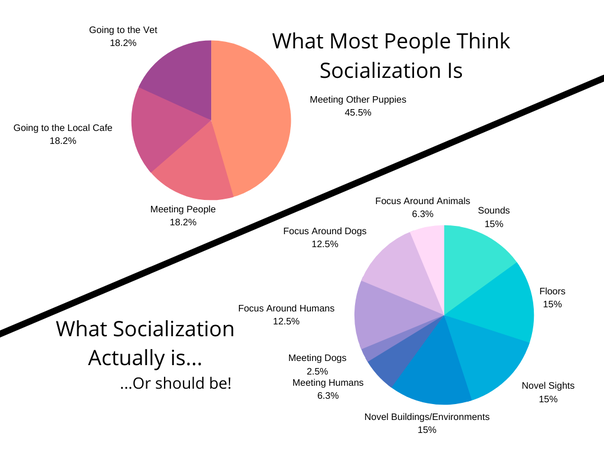
▼You do not need to "over-socialize" your puppy. This is a common mistake, and can lead to the sort of adult dogs who cannot contain their excitement to see other dogs and people, and cannot settle in public. This is better than a fearful dog, but obviously still not ideal. This happens when every time you take your puppy out for socialization, you let it bounce all over everyone and greet every person or dog. Your puppy does learn that the world isn't scary, which is fantastic, but it doesn't learn that it can interact calmly with the world.
Your puppy should have a lot of both positive and neutral exposure to other dogs and people. Your puppy does not need to meet everyone it sees, and especially not every dog it sees. You should make sure to take time to simply sit with your puppy and let it observe the world calmly. Say no to some of the people who ask to pet your pup; your pup does not need to greet everyone, but do make sure your pup gets to greet a wide variety of people (different races, folks with mobility aids, people with funny hats, children and the elderly, etc).
A properly introduced crate provides a safe retreat where your puppy can decompress after new experiences.
The Power of Neutral Exposure
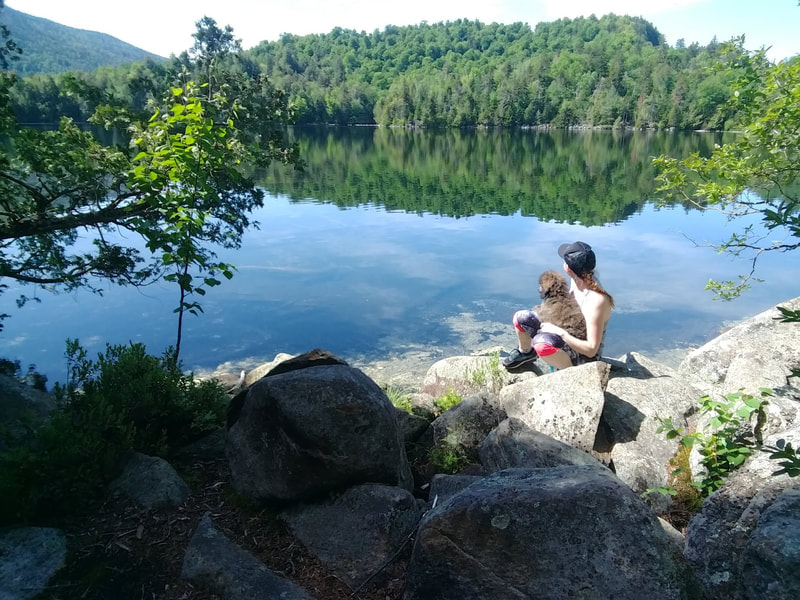
▼One of my favorite socialization activities is to go to a park with a lawn chair, and find a hill to sit on. Hopefully, your puppy will be able to see children playing games, people walking their dogs, and all sorts of passersby. This is fantastic neutral exposure.
During these sessions, your puppy learns to observe the world calmly without needing to interact with everything and everyone. This builds confidence while teaching self-control and focus. Your puppy discovers that the presence of other people, dogs, and activity is normal and nothing to become overly excited or concerned about.

8 Weeks: Building Trust and Foundation
Focus on building confidence in your home environment. Introduce household sounds (vacuum, dishwasher, TV), gentle handling, and basic grooming acceptance. Brief car rides and short outings to calm environments. Your puppy can meet fully vaccinated, healthy dogs you know personally.
12 Weeks: Expanding Horizons
Begin controlled public exposure. Carry your puppy in safe areas like outdoor shopping centers or parks where they can observe from your arms. Continue meeting friendly, healthy dogs. Introduce new surfaces, gentle obstacles, and varied environments. Practice neutral observation sessions.
16 Weeks: Active Socialization
With vaccinations complete, gradually increase direct interaction with the environment. Structured puppy classes, leashed walks in busier areas, and controlled greetings with unfamiliar dogs. Continue emphasizing calm observation alongside active interaction.
Important Note on Vaccinations: The socialization window closes around 14 weeks, before most vaccination protocols are complete. Work with your veterinarian to balance disease risk with socialization needs. Carrying your puppy in public spaces, socializing with known healthy dogs, and controlled environmental exposure can happen safely before full vaccination. The behavioral risk of undersocialization often exceeds disease risk when reasonable precautions are taken.
Red Flags: Signs to Slow Down
Watch for signs of over-arousal or fear that indicate you need to reduce intensity. Over-arousal signs: inability to settle after outings, excessive jumping and mouthing, ignoring basic known commands, difficulty focusing on you in public. Fear signs: tail tucking, excessive panting, trying to hide or escape, refusal to move forward, persistent trembling. If you see these signs, return to easier environments and shorter sessions. Quality neutral exposure is more valuable than pushing through stress.
Socialization Beyond People and Dogs
▼You should keep in mind that socialization isn't limited to dogs and people. Socialization must introduce your puppy to all sorts of things they might encounter as an adult. It is best to break this up into small, digestible intervals every day for your puppy during its key socialization period. Avoid overloading your puppy with potentially scary and stressful experiences all at once.
Environmental Sounds and Situations:
- Cars, trucks, and motorcycles
- Loud noises (thunder recordings, fireworks sounds at low volume)
- Household appliances (vacuum, blender, dishwasher)
- Doorbells and knocking
- Children playing and screaming
Surfaces and Movement:
- Unusual surfaces (grates, slippery floors, gravel, sand)
- Stairs and ramps
- Playground equipment
- Wobbly or unstable surfaces
- Elevators and automatic doors
Objects and Equipment:
- Bikes and scooters
- Strollers and wheelchairs
- Umbrellas and shopping carts
- Hats, sunglasses, and costumes
- Large objects being carried or moved
Animals and Wildlife:
- Other species (cats, birds, livestock) from a respectful distance
- Wildlife sounds and smells
- Farm environments if applicable
Additional Socialization Resources
▼With the above in mind, there are many resources available online on how specifically to socialize your puppy. There are also great socialization checklists for free online so you can make sure you aren't missing anything!
Continue Learning
▼Socialization is just one component of raising a well-adjusted puppy. Understanding training methods, behavior development, and early care practices helps ensure a smooth transition for both puppy and family. For additional guidance on training, behavior, and puppy care, explore our comprehensive resource library. Raising your puppy is about more than following checklists. It is about building a foundation for a lifelong partnership with your dog, learning together, and being part of a community that supports responsible puppy raising.
Socialization Timeline
▼