
Why Crate Train?
Essential Training for Safety, Security, and Peace of Mind
Crate training is one of the most valuable tools you can give your puppy. A crate is not a cage or a punishment—it is a safe space where your puppy can relax, sleep undisturbed, and learn self-soothing skills that will serve them throughout their life.
Dogs are den animals by nature. When introduced properly, a crate becomes your puppy's personal den—a place they seek out when they need rest, quiet, or security. Crate training also supports housebreaking, prevents destructive behavior, and prepares your puppy for situations where confinement is necessary for their safety.
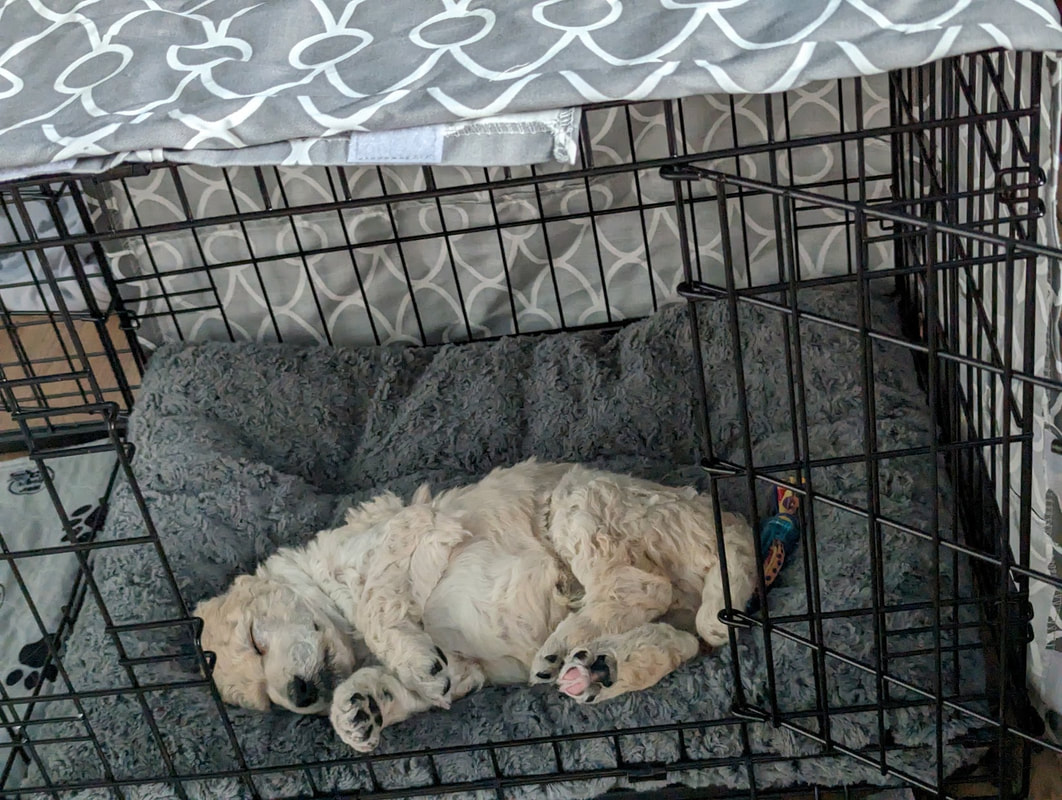
Early Crate Introduction: The Foundation
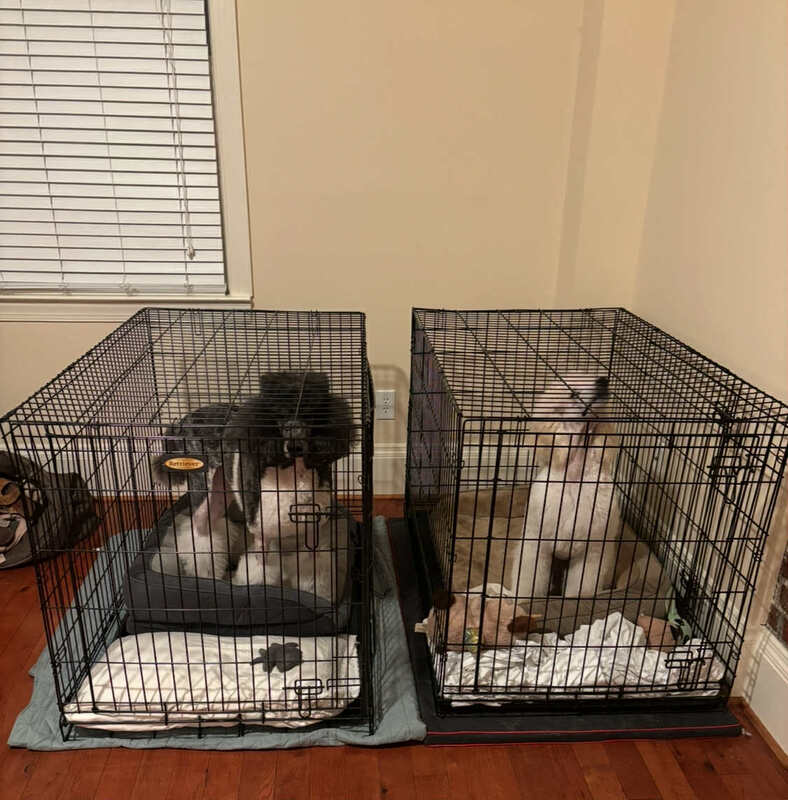
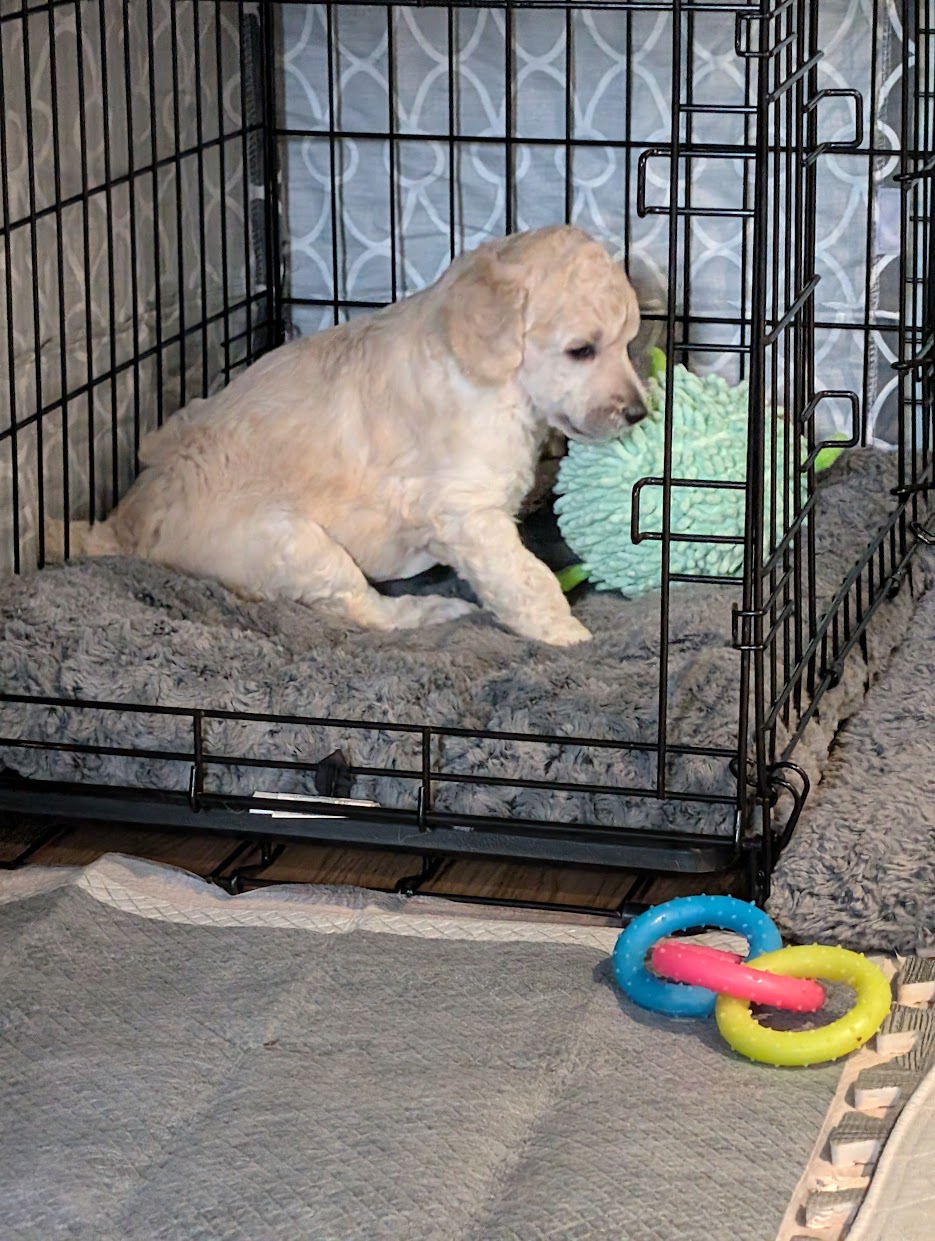
▼Every Pantheon puppy begins crate training from the time they are old enough to eat solid food. By the time your puppy comes home, they already understand that a crate is a safe, comfortable place to rest and sleep. This early introduction is part of our comprehensive Puppy Culture & Avidog protocols .
Puppies are introduced to crates gradually and positively. They learn to eat meals in the crate, take naps in the crate, and settle quietly when the door closes.
When your puppy arrives home, they will already be comfortable with crate confinement. This makes the transition to your home significantly easier. Instead of fighting crate training while also adjusting to a new environment, your puppy can focus on bonding with you and learning their new routine.
The crate training foundation your puppy receives here gives you a significant advantage. You will not be starting from zero—your puppy already understands the concept. Your job is simply to continue what has already been established.
Emergency Preparedness: When It Matters Most
▼The most compelling reason to crate train your dog has nothing to do with housebreaking or preventing chewed furniture. It has everything to do with emergencies.
If your dog is ever injured, becomes seriously ill, or requires surgery, they will be confined to a crate or kennel at the veterinary clinic. A dog who has never been crated experiences this confinement as terrifying—an additional trauma layered on top of pain, fear, and separation from their family.
A crate-trained dog views confinement differently. The crate is familiar. It is safe. Even in a stressful veterinary setting, a crate-trained dog can find some comfort in the familiar concept of the crate as a den. This reduces stress significantly during an already difficult time.
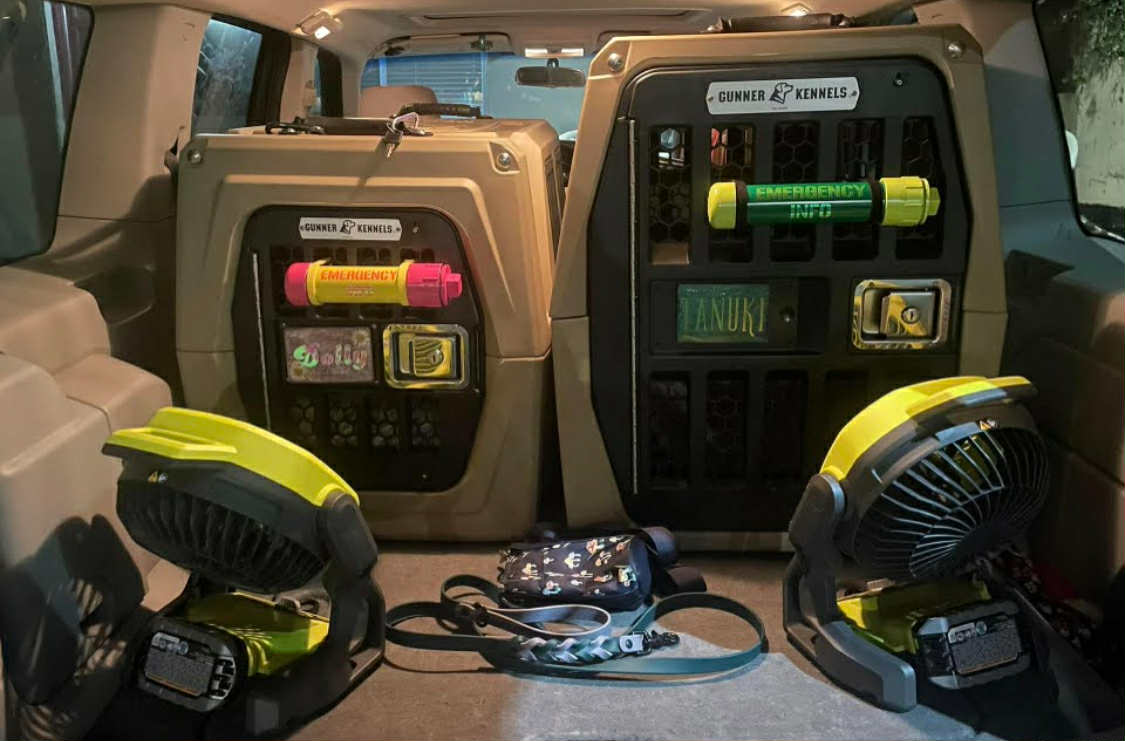
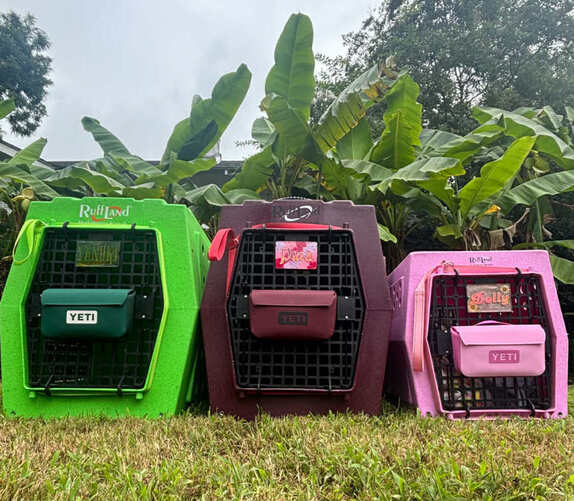
Natural disasters and evacuations present another scenario where crate training becomes critical. Emergency shelters, hotels, and temporary housing often require dogs to be crated. If your area experiences a flood, wildfire, tornado, or other emergency requiring evacuation, a dog who accepts crate confinement can go with you. A dog who panics in a crate may have to be left behind or surrendered to a shelter.
Most people who resist crate training change their minds the first time their dog needs emergency veterinary care. Watching a dog panic in a crate because they have never learned to accept confinement is heartbreaking. Training your dog to be comfortable in a crate is an insurance policy you hope to never use—but if you need it, you will be grateful it exists.
 |
 |
Safety & Protection
▼Puppies are curious, fast, and remarkably good at finding trouble. A crate provides a safe space where your puppy cannot access dangerous items, chew electrical cords, ingest toxic substances, or injure themselves when you cannot supervise directly.
Crate training prevents accidents that can result in emergency veterinary visits or worse. Puppies have been known to chew through electrical cords, ingest medications left on counters, swallow socks or other fabric items that require surgical removal, eat poisonous plants, and fall down stairs. A crated puppy cannot do any of these things.
The crate also protects your puppy during times when household activity makes supervision difficult. When you have guests over, contractors working in your home, or children running in and out, the crate provides a safe place where your puppy cannot escape through an open door, get stepped on, or become overwhelmed by activity.
For families with young children, crates provide an essential safe zone. Children do not always recognize when a puppy needs space, and puppies do not always have the skills to remove themselves from situations that are becoming too much. A crate gives the puppy a place where they can retreat, rest, and be left alone.
Behavioral Benefits
▼Crate training supports housebreaking in a way that no other method can match. Dogs instinctively avoid soiling their sleeping area. A properly-sized crate encourages your puppy to hold their bladder and bowels until they can be taken outside. This natural inclination makes housebreaking significantly faster and more reliable.
The crate also prevents the development of destructive behaviors. Puppies who are allowed free run of the house when unsupervised often develop habits like chewing furniture, digging at carpet, or shredding cushions. These behaviors become self-rewarding—the puppy enjoys the activity, so they repeat it. Once established, these habits are difficult to break. A crate prevents the behavior from ever starting.
Crate training teaches your puppy to settle and self-soothe. Puppies who are never confined often struggle with independence. They follow their owners from room to room, become anxious when left alone, and never learn to entertain themselves quietly. Time in a crate teaches puppies that being alone is not frightening. This foundation prevents separation anxiety from developing.
The crate also helps establish a sleep schedule. Puppies need significant amounts of sleep—often 18-20 hours per day. Puppies who are not crated often do not get enough rest because they do not settle voluntarily. They keep playing until they are overtired, which leads to hyperactivity, difficulty focusing, and behavior problems. Regular crate time ensures your puppy gets the rest they need to develop properly.
Finally, crate training makes travel and boarding significantly easier. A dog who is comfortable in a crate can travel safely in a car, stay in a hotel room, board at a kennel, or visit friends without stress. The crate provides familiar security in unfamiliar environments.
 |
 |
How to Continue Crate Training at Home
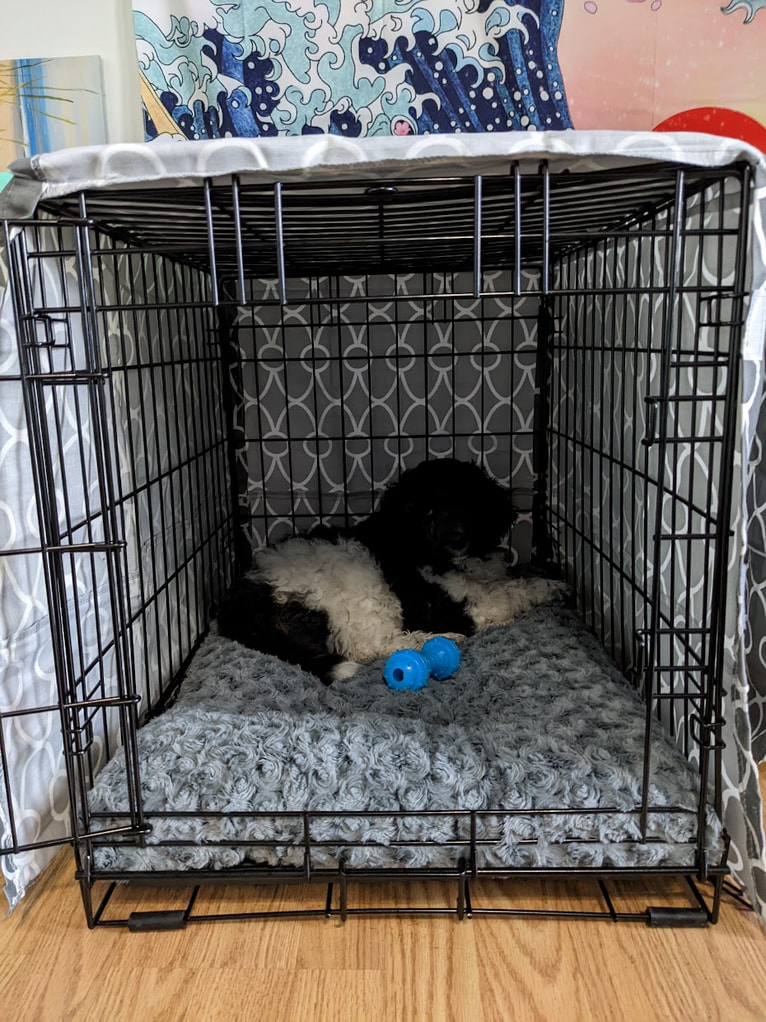
▼Your puppy arrives home already comfortable with crate confinement. Your job is to maintain and build on this foundation. Consistency is essential. Continue using the crate for naps, overnight sleep, and any time you cannot supervise directly.
Feed your puppy meals in the crate. This reinforces the positive association and ensures the crate remains a place where good things happen. Give high-value chews or stuffed Kongs in the crate. The goal is for your puppy to view the crate as the best spot in the house.
Establish a routine. Puppies thrive on predictability. If your puppy knows that after breakfast they go in the crate for a nap, they will settle more easily. Routines reduce anxiety and help puppies understand what is expected.
Never use the crate as punishment. The crate should never be associated with anger, frustration, or negative experiences. If you are upset with your puppy, take a breath and calmly place them in the crate. Do not yell, scold, or use a harsh tone when crating. The crate is neutral—not a consequence.
Gradually increase crate time as your puppy matures. Young puppies cannot hold their bladder for extended periods, so crate sessions should match their physical abilities. As your puppy grows, they can spend longer stretches in the crate comfortably. By adulthood, most dogs can be crated overnight and for reasonable daytime periods without issue.
Even after your puppy is fully housetrained and trustworthy in the house, maintain the crate. Leave it set up with the door open so your dog can choose to use it. Many dogs continue to seek out their crate throughout their lives because it remains their safe, quiet space.
Common Concerns About Crate Training
▼"Isn't it cruel to keep a dog in a cage?" This is the most common objection to crate training, and it is based on a misunderstanding of how crates work. Dogs are den animals. In the wild, canines seek out small, enclosed spaces for rest and safety. A crate replicates this natural instinct. When introduced properly, dogs view crates as comfort, not confinement.
The concern about cruelty typically comes from people imagining themselves confined to a small space. Humans are not den animals. We do not have the same instincts or needs. Judging a dog's experience through a human lens leads to incorrect conclusions about what dogs find comfortable.
"My dog cries in the crate." Puppies often vocalize when first learning to settle in a crate, especially if they were not introduced to crating before coming home. This is not distress—it is protest. Puppies cry because they want what they want, and what they want is to be with you, playing, exploring, or getting attention. The crying stops when the puppy learns that crying does not result in release from the crate.
If you release your puppy from the crate when they cry, you teach them that crying works. This makes the crying worse, not better. Patience and consistency are essential. Wait for a moment of quiet, then release. The puppy learns that quiet earns freedom, and crying does not.
"I don't want my dog in a crate all day." Responsible crate training does not involve leaving a dog crated for excessive periods. Puppies have limited bladder control and need frequent breaks. Adult dogs should not be crated for more than 4-6 hours during the day without a break. The crate is a management tool, not a substitute for attention, exercise, and training.
"I want my dog to have freedom." Freedom and safety are not the same thing. A puppy who has complete freedom in a house can harm themselves, destroy property, and develop problem behaviors. Appropriate confinement during puppyhood creates a foundation for safe, supervised freedom as an adult. Most adult dogs who were properly crate trained as puppies earn the privilege of house freedom because they learned good habits early.
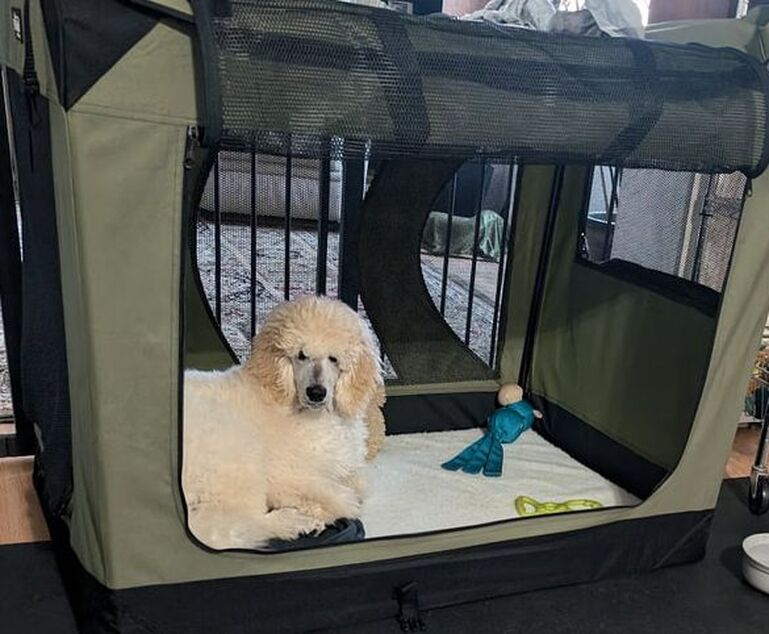
Crate Alternatives: When and How to Use Them
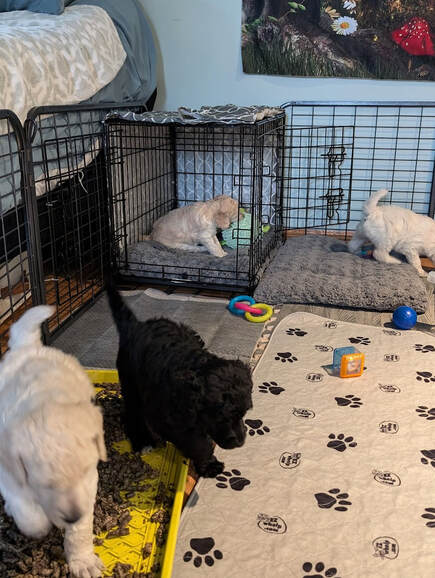
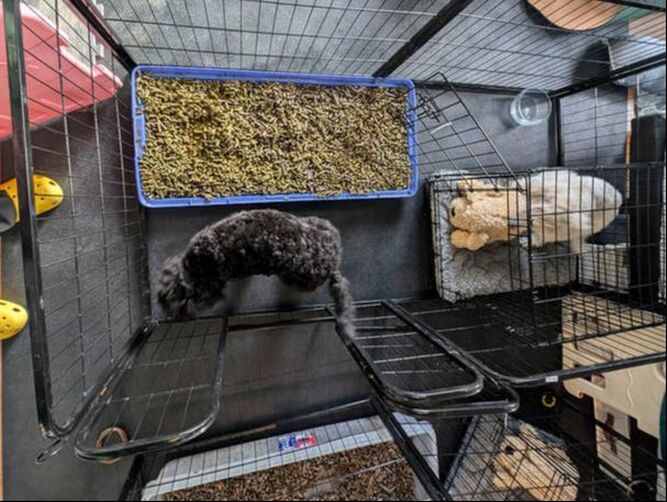
▼While crate training provides significant benefits, there are situations where alternatives or supplements to crating may be appropriate. The most common alternative is an exercise pen, often called an ex-pen or playpen.
An exercise pen creates a larger confined area than a crate. This can be useful for puppies who need more space to move around during longer confinement periods, or for situations where you want your puppy to have access to both a sleeping area and a potty area. Exercise pens work well for people who work long hours and cannot provide frequent potty breaks.
However, exercise pens are not a replacement for crate training. They serve a different purpose. Exercise pens do not teach the same bladder control that crates do because the pen is large enough for the puppy to eliminate in one corner and sleep in another. This can actually slow down housebreaking rather than support it.
The best approach for most families is to use both. The crate serves as the primary sleeping and short-term confinement space. The exercise pen can be used when longer confinement is necessary—for instance, if you will be gone for six hours and your puppy cannot yet hold their bladder that long. Set up the pen with the crate inside (door open), a water bowl, and puppy pads or a grass potty box in the opposite corner from the crate.
Baby gates and closed doors can also create confined spaces, but these are only appropriate for puppies who have already developed good house manners and can be trusted not to chew, eliminate, or injure themselves when unsupervised. These are tools for older puppies and adult dogs, not for eight-week-old puppies who are just learning the rules.
Regardless of which confinement method you choose, your puppy should still learn to accept crate confinement for the emergency preparedness reasons discussed earlier. Even if you primarily use an exercise pen at home, your puppy needs to be comfortable in a crate for veterinary visits, travel, and emergency situations.
Ready to Welcome Your Puppy Home?
▼Every Pantheon puppy arrives crate-trained and ready to transition smoothly into your home. This early foundation makes the first weeks easier for both you and your puppy, allowing you to focus on bonding and building your relationship rather than fighting basic training battles.
Crate training is just one of many ways I prepare puppies for success in their new homes.